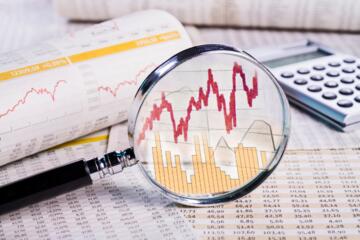
The Architecture of Digital Thrift
The modern shopping ecosystem has shifted from manual clipping to algorithmic optimization. Most consumers believe they are saving money by simply looking for "sale" tags, but psychological pricing—such as "anchor pricing" where an original price is inflated to make a discount look significant—often masks the truth. Genuine financial efficiency comes from utilizing applications that interface directly with retailer APIs to monitor price fluctuations in real-time or provide post-purchase price protection.
In my experience auditing personal finance workflows, the most effective tools aren't those that encourage more spending through "deals," but those that reduce the cost of existing, necessary purchases. For instance, data from market analysts indicates that price volatility on major e-commerce platforms can result in the same item changing price up to eight times in a single day. A user without automated monitoring is almost guaranteed to overpay.
Consider a practical scenario: a consumer purchasing a high-end espresso machine. By using a price-history tracker, they might discover that while the "Black Friday" price is $499, the item consistently drops to $425 in mid-October. Real savings are found in the delta between impulse and informed timing.
The Pitfalls of Modern Discount Hunting
The primary mistake most users make is "app bloat," where they install dozens of reward platforms that prioritize data collection over user dividends. This leads to a fragmented experience where the time cost of managing the apps exceeds the actual monetary benefit.
-
The Gamification Trap: Many platforms use "streaks" or "daily spins" to keep users in the app. This triggers dopamine hits that often lead to "filler" purchases—items you didn't need but bought because they had a high reward multiplier.
-
Data Latency: Using outdated coupon aggregators often results in expired codes at checkout. This creates "cart abandonment" frustration or, worse, proceeding with the full-price purchase out of sheer exhaustion.
-
Privacy Erosion: If a service is free and provides massive cash back without a clear partnership model, you aren't the customer; your granular SKU-level purchasing data is the product being sold to hedge funds and marketing firms.
Failure to vet these tools leads to a "savings illusion" where the user feels frugal while their total monthly outflow actually increases due to targeted psychological nudges.
Strategic Solutions for Measurable Savings
To achieve professional-grade savings, you must categorize your tools based on their functional mechanism: cash back, price tracking, or automated negotiation.
Automated Cash Back and Rebates
Unlike traditional coupons, rebate apps work after the transaction. Rakuten remains a gold standard because of its massive affiliate network. It operates on a revenue-sharing model where the retailer pays them a commission, and they split it with you.
-
How it looks: You activate a 10% cash-back boost for a department store. On a $200 purchase, $20 is deposited into your account.
-
The Result: Users who route all standard household purchases through these portals typically see an annual return of $400–$1,200 depending on volume.
Receipt Scanning for Hidden Assets
For offline grocery shopping, Ibotta and Fetch Rewards are essential. These apps use Optical Character Recognition (OCR) to scan physical receipts. Ibotta is particularly effective because it offers "any brand" rebates on staples like milk or bread.
-
How it looks: After a $150 grocery run, scanning the receipt triggers $4.50 in rebates for specific items already in your cart.
-
The Result: Consistent users report a 5% reduction in net grocery costs without changing their diet or brand preferences.
Dynamic Price Tracking and Alerts
CamelCamelCamel (for Amazon) and Keepa are specialized tools that provide the "True Cost" of an item. They show a multi-year graph of an item's price.
-
Why it works: It removes the urgency created by "Limited Time Offer" banners. If the graph shows the price is currently at an all-time high, you wait.
-
The Result: Avoiding the "peak" price on electronics and appliances can save an average of $80 per unit.
Automated Negotiation and Subscription Management
Tools like Rocket Money or Jerry (for insurance) act as intermediaries. They identify recurring subscriptions you've forgotten or negotiate lower rates on your behalf for utilities and internet.
-
How it looks: The app identifies a $15/month streaming service you haven't opened in 90 days and cancels it with one click.
-
The Result: The average American spends $219 monthly on subscriptions; these tools frequently slash that by 25% through consolidation.
Mini-Case Examples of Financial Optimization
Case 1: The Household Electronics Upgrade
A family of four needed to replace three aging laptops for school.
-
The Strategy: They used Honey to track the specific models across five retailers. They waited for a "price drop alert" which triggered at 3:00 AM on a Tuesday.
-
The Action: They combined the price drop with a 5% cash-back offer from a credit card portal and a 4% rebate from TopCashback.
-
The Result: The total MSRP was $2,400. The final net cost after all layers of optimization was $1,850. A total saving of $550 (23%) achieved through patience and tool integration.
Case 2: The Grocery Lean-Out
A professional living in an urban area felt their $800/month food budget was excessive.
-
The Strategy: They shifted to Upside for gas and Ibotta for groceries. Crucially, they began using Flashfood, an app that sells grocery items nearing their best-by date at a 50% discount.
-
The Action: They purchased high-quality proteins and produce through Flashfood for immediate consumption and scanned all other receipts.
-
The Result: Monthly food and fuel costs dropped to $620. This $180/month difference, if invested in a standard index fund, represents significant long-term wealth generation.
Comparative Framework for Savings Platforms
| Category | Primary Tool | Best For | Potential Savings |
| Direct Cash Back | Rakuten | Online Shopping | 1% - 15% per order |
| Grocery Rebates | Ibotta | In-store food/staples | $20 - $50 monthly |
| Price Monitoring | CamelCamelCamel | Amazon purchases | 10% - 40% vs MSRP |
| Coupon Automation | Capital One Shopping | Browser-based checkout | Instant $5 - $50 off |
| Inventory Clearance | Flashfood | Groceries / Meat | 50% off retail |
| Gas/Fuel | Upside | Commuters | $0.10 - $0.25 per gallon |
Common Strategic Errors to Avoid
Chasing "Points" Instead of Dollars
Many retail-specific apps (like those for specific clothing brands) offer "points" that expire or require a minimum spend to redeem. This is a trap. Prioritize "hard" cash-back apps where the value is denominated in USD and can be transferred to a bank account or PayPal. Points are a liability; cash is an asset.
Overlooking Browser Extensions
Many people only use the mobile app versions of these tools. However, browser extensions (like Honey or Rakuten) are often more powerful because they can test dozens of coupon codes in seconds during the checkout process. Using a mobile app often requires a "click-through" that might not capture the best available discount.
The "Stacking" Neglect
The biggest mistake is using only one layer of savings. A "Power Saver" stacks:
-
A discounted gift card (purchased on Raise).
-
A cash-back portal click-through.
-
An on-page coupon code.
-
A credit card with a high rewards rate for that specific category.
FAQ
Are these apps safe to link to my bank account?
Most reputable apps like Rakuten or Rocket Money use Plaid, a secure 256-bit encrypted intermediary. They never see your login credentials directly. However, always enable Two-Factor Authentication (2FA) on any app linked to your finances.
Do I actually get cash, or is it just gift cards?
It depends on the platform. Rakuten pays via check or PayPal. Ibotta allows bank transfers once you hit a $20 threshold. Fetch Rewards primarily offers gift cards. Always check the "Redemption" section before investing time into an app.
Which app is best for groceries?
For sheer volume and variety, Ibotta is superior. For ease of use (just snapping a photo without pre-selecting offers), Fetch Rewards is the winner. For deep discounts on perishables, Flashfood is unbeatable.
Does using these apps affect my credit score?
No. These are shopping and rebate tools, not credit products. They have zero impact on your credit report or score.
Can I use multiple cash-back apps on one receipt?
Yes, for receipt-scanning apps. You can scan the same grocery receipt into Ibotta, Fetch, and Receipt Hog. However, for online portals, you can usually only use one (e.g., you can't get Rakuten and Capital One Shopping credit on the same click).
Author’s Insight
In my years of analyzing consumer behavior, I’ve found that the most successful "savers" treat these apps like a business process rather than a hobby. I personally use a dedicated folder on my phone titled "Value Capture" to keep these tools organized. My top tip: never buy anything on your phone without first checking the "Price History" on a tracker. This single habit has saved me more money than all the coupon codes combined because it prevents the "manufactured urgency" that retailers use to inflate their margins. Efficiency is about discipline, not just clicking buttons.
Conclusion
True financial optimization in the digital age requires moving beyond the "discount" mindset and into the "value capture" mindset. By implementing a stack of tools—specifically Rakuten for broad rebates, CamelCamelCamel for price transparency, and Ibotta for grocery recovery—you can effectively re-engineer your cost of living. Start by installing one browser extension and one receipt-scanning app. Master the workflow of these two before adding more complexity. The goal is to make savings an automated byproduct of your existing habits, ensuring that every dollar spent is working as hard as possible for your bottom line.