Payment Ecosystem Shift
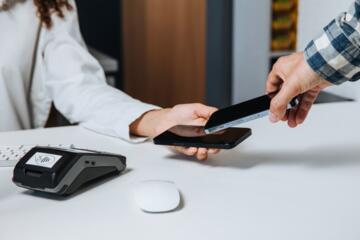
Digital wallets, such as Apple Pay, Google Wallet, and Alipay, act as encrypted containers for tokenized payment credentials. Unlike traditional card swipes, these systems use Near Field Communication (NFC) or QR codes to facilitate instant transactions. In my observation of retail deployments, the primary driver for adoption isn't just speed—it's the seamless integration of identity and payment. In 2024, digital wallet transactions accounted for over 50% of global e-commerce spend, a figure expected to rise as Gen Z enters their peak spending years.
Consider the "Express Checkout" trend. Platforms like Shopify have integrated one-tap payments through Shop Pay, which reportedly increases checkout speed by 4x. This technical efficiency directly correlates with lower cart abandonment rates. For a physical retailer, implementing modern point-of-sale (POS) systems like Square or Clover allows them to accept these wallets, capturing data that was previously lost in anonymous cash transactions.
The Rise of Super-Apps
In markets like Southeast Asia and China, apps like WeChat Pay and Grab have evolved into "Super-Apps." They don't just process payments; they handle ride-hailing, food delivery, and insurance. This trend is migrating West as PayPal and Klarna expand their feature sets to include discovery and loyalty, aiming to own the entire customer lifecycle from search to settlement.
Biometric Authentication
Security in modern wallets relies on biometrics—FaceID or fingerprint scanning—to unlock a unique cryptogram. This "two-factor" process happens in milliseconds. From an architectural standpoint, this moves the burden of authentication from the merchant's server to the user's device, significantly reducing the risk of large-scale data breaches for the retailer.
Tokenization Technology
The core of modern shopping security is tokenization. When you use a digital wallet, your actual 16-digit card number is never shared with the merchant. Instead, a "token" is generated by services like Visa Token Service (VTS). Even if a merchant's database is compromised, the stolen tokens are useless to hackers, protecting both the consumer and the bank.
Buy Now, Pay Later (BNPL)
BNPL services like Affirm and Afterpay are now being integrated directly into digital wallets. This allows users to split a $500 purchase into four interest-free payments at the point of sale. For merchants, this has shown to increase Average Order Value (AOV) by up to 20%, as the psychological barrier of a high upfront cost is mitigated by the wallet’s UI.
Loyalty and Rewards Integration
Modern wallets are becoming the new "punch card." By integrating programs like Starbucks Rewards directly into the payment flow, the friction of switching between apps is removed. Automation allows a discount to be applied the moment the phone touches the NFC terminal, creating a "magical" user experience that reinforces brand loyalty without manual input.
Commerce Friction Points
The biggest hurdle currently is "fragmented acceptance." While 90% of US retailers now accept NFC payments, many small businesses still rely on legacy hardware due to high upgrade costs. This creates a "dead zone" for users who leave their physical wallets at home, leading to lost sales and customer frustration. Furthermore, the reliance on battery-powered devices means a dead phone results in a total inability to transact.
Data privacy remains a significant pain point. While wallets are secure, the "Super-App" model creates massive silos of consumer behavior data. Experts worry that a single entity knowing everything you buy, everywhere you go, and who you interact with poses a systemic risk. If a user is "de-platformed" or loses access to their digital identity, they are effectively locked out of the modern economy.
Strategic Implementation
Retailers should prioritize "Omnichannel Fluidity." This means ensuring that a discount earned in a mobile app is instantly visible when the user taps their phone at a physical kiosk. Brands like Nike have mastered this by using the digital wallet as a pass for in-store events and exclusive drops, merging digital and physical footprints. To succeed, businesses must move away from siloed databases toward a unified "Customer 360" view.
Technical integration should focus on APIs over hard-coded logic. Using an orchestration layer like Stripe or Adyen allows a merchant to toggle on new payment methods—whether it's Apple Pay, crypto, or local wallets like Pix—without rewriting their core checkout engine. Data shows that offering more than three payment options at checkout can improve conversion rates by 12%.
Education is the final piece. Merchants must train staff to assist customers who may be new to "tap-to-pay" or QR-based systems. Simple signage and "how-to" prompts in-app can reduce the anxiety of a failed transaction at the front of a busy line, which is often the primary reason users revert to physical cards.
Retail Success Stories
A global coffee chain implemented a proprietary digital wallet linked to their loyalty program. By incentivizing users to "pre-load" funds onto their digital cards, the company essentially gained an interest-free loan of over $1.5 billion from its customers. The result was a 15% increase in transaction frequency and a massive reduction in credit card processing fees, as they batched smaller transactions into one larger "top-up."
A luxury fashion retailer integrated BNPL into their mobile app checkout using Klarna. Within six months, they saw a 25% increase in sales among the 18-34 demographic. More importantly, their "return rate" decreased because customers were more deliberate with their high-value purchases when managed through a transparent payment schedule provided by their digital wallet.
Wallet Comparison
| Feature | Apple/Google Pay | Store-Specific Wallets | BNPL Wallets (Affirm) |
|---|---|---|---|
| Primary Benefit | Universal Acceptance | Deep Loyalty Rewards | Budget Management |
| Hardware Need | NFC-enabled POS | QR Code or App Link | App Integration |
| Security | Device-level Biometrics | In-app Encryption | Credit-based Auth |
| Data Access | Limited (Privacy-first) | Full Purchase History | Financial Health Data |
| Best For | Daily micro-transactions | Brand Super-fans | High-ticket Items |
Common Adoption Errors
Don't fall into the "One-Size-Fits-All" trap. A wallet strategy that works in London (NFC-heavy) will fail in Mumbai (QR-heavy/UPI). Research your local market's infrastructure before investing in hardware. Another common error is neglecting "offline mode." Ensure your loyalty validation can work even when the store’s Wi-Fi is spotty, perhaps by using cached tokens that sync once the connection is restored.
Finally, avoid "notification fatigue." Digital wallets allow for geofenced push notifications (e.g., "You have a coupon!") when a user walks near a store. Overusing this feature leads to users disabling notifications or deleting the app entirely. Use data-driven triggers to ensure that every alert provides actual value to the shopper's current context.
FAQ
Is paying with a phone safer than a plastic card?
Yes. Digital wallets use tokenization and biometrics, meaning your card number is never exposed. A stolen phone is much harder to use for fraud than a stolen physical card, which can often be used for "tap" payments without a PIN.
Do digital wallets work without internet?
NFC-based wallets (Apple/Google) can perform a limited number of transactions without an active data connection because the security token is stored on the device's Secure Element chip. However, QR-based wallets usually require a connection.
What are the merchant fees for digital wallets?
Usually, the fees are identical to a "Card Present" transaction. However, some proprietary wallets (like Starbucks) allow merchants to bypass network fees by using direct bank transfers or pre-paid balances.
Will digital wallets replace physical IDs?
The transition has started. Several US states and European countries now allow "Mobile Driver's Licenses" to be stored in Apple or Google Wallets, though physical backups are still recommended for international travel and law enforcement interactions.
Can I store crypto in a retail digital wallet?
Some wallets, like PayPal and Venmo, allow you to hold and spend crypto by converting it to fiat currency at the moment of purchase. Dedicated "Web3" wallets are also emerging that allow for direct stablecoin payments at certain retailers.
Author’s Insight
I’ve watched the "Death of Cash" predicted for two decades, but we are finally at the tipping point. The real winner in the digital wallet race isn't the one with the best tech; it's the one that builds the most trust. As an architect, I always tell clients: don't just build a payment button—build a financial assistant. Users want to know not just that they paid, but how that purchase fits into their monthly budget. The next five years will see wallets move from "passive holders" to "active advisors" using on-device AI to optimize your spending.
Conclusion
Digital wallets have evolved from a novelty to an essential merchant requirement. To stay competitive, businesses must embrace NFC technology, integrate loyalty programs directly into the payment flow, and prioritize security through tokenization. The shift toward a cashless society offers unprecedented data insights and customer engagement opportunities. Implement these systems now to ensure your retail experience meets the expectations of the modern, mobile-first consumer.