Overview: The Neurological Trap of the "Buy" Button
Impulse purchasing isn't a lack of willpower; it’s a design success for retailers. Modern e-commerce is built on choice architecture specifically engineered to reduce "pain of payment." When you see a "Lightning Deal" on Amazon or a "Limited Drop" from a brand like Supreme, your brain releases dopamine in anticipation of the reward, not the actual possession of the item.
In my practice observing consumer behavior, I’ve seen individuals spend upwards of $500 monthly on items they never unbox. A 2024 study by Slickdeals revealed that the average American spends roughly $151 per month on impulse buys, totaling over $1,800 annually. This is often driven by "Decision Fatigue"—the more choices you make during the day, the harder it is for your prefrontal cortex to say "no" to a $40 Zara shirt at 9:00 PM.
Pain Points: Why Your Budget is Leaking
The primary reason most people fail to curb spending is that they treat the symptom, not the system. Standard advice like "just don't buy it" fails because it ignores the biological reality of modern marketing.
-
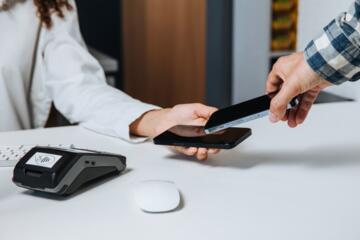
The "One-Click" Erosion: Services like Apple Pay and Amazon’s 1-Click ordering remove the physical sensation of spending. You aren't handing over cash; you are tapping a screen. This lack of friction leads to "phantom spending."
-
The Sunk Cost of Subscriptions: Many consumers keep Amazon Prime or Walmart+ memberships to "save on shipping," which psychologically compels them to order more frequently to justify the membership fee.
-
Influencer Mimicry: Following "Deals" accounts on Instagram or TikTok creates a false sense of urgency. You aren't saving $20 on a vacuum; you are spending $180 you hadn't planned to.
-
Emotional Regulation: Using shopping as a "pick-me-up" after a stressful workday. This is "Retail Therapy," and it results in a temporary high followed by a "financial hangover" when the credit card statement arrives.
Strategic Solutions: Hard-Coding Discipline
To stop impulse spending, you must move from "willpower" to "systems." Here are the high-leverage tactics used by financial minimalists.
The 72-Hour Cooling-Off Rule
Never buy a non-essential item the moment you see it. Add it to your cart, then close the tab.
-
Why it works: It allows the dopamine spike to subside, returning your brain to a "cool" state where the prefrontal cortex can evaluate the item’s actual utility.
-
Implementation: Use an app like Pocket or a dedicated "Wishlist" folder in your browser. If you still want the item after 72 hours, check your budget.
-
The Data: Users of this method report that roughly 70% of items added to a cart are deemed unnecessary after three days.
Digital Friction: Scrubbing Saved Data
Delete your credit card information from Chrome, Safari, and your favorite retail apps like Sephora or Nike.
-
Why it works: Forcing yourself to walk to your wallet and manually type 16 digits creates a "micro-moment" of reflection. This 30-second delay is often enough to break the impulsive loop.
-
Tools: Use Privacy.com to create virtual cards with spending limits, or simply opt-out of "Auto-fill" settings in your browser.
The "Hours Worked" Conversion
Before purchasing, calculate the item’s cost in terms of your take-home hourly wage.
-
Example: If you earn $30/hour after taxes, a $150 pair of sneakers isn't "$150"—it is 5 hours of your life spent sitting at your desk.
-
The Result: This shifts the perspective from "money" (an abstract concept) to "time" (a finite resource).
Inventory Auditing
Before buying something new, you must find three things you already own but don't use and list them on Poshmark or eBay.
-
Why it works: It forces you to confront the reality of past impulse buys that lost their value, acting as a visual deterrent for new purchases.
Mini-Case Examples
Case 1: The "Sale Hunter" Rebound
Subject: Sarah, a marketing executive spending $400/month on "limited time" apparel deals. The Intervention: Sarah unsubscribed from all retail newsletters using Unroll.me and deleted the Instagram app for two weeks. The Result: In 30 days, her unplanned spending dropped to $0. She realized her "needs" were actually reactions to promotional emails. She saved $4,800 over the year, which funded a trip to Italy.
Case 2: The Tech Enthusiast
Subject: Mark, who bought every new gadget release via Amazon 1-Click. The Intervention: Mark disabled 1-Click and replaced his credit card with a "debit-only" system for online stores. He also implemented a "one-in, one-out" rule. The Result: Mark’s gadget spending decreased by 65%. By forcing himself to sell an old device before buying a new one, he gained a clearer understanding of the rapid depreciation of electronics.
The Impulse Control Checklist
Pre-Purchase Audit
-
[ ] Have I waited at least 48-72 hours since first seeing this?
-
[ ] Does this item replace something I already own?
-
[ ] How many hours of work does this item represent?
-
[ ] Can I find this item used on Mercari or Facebook Marketplace for 50% less?
-
[ ] Am I buying this because I’m bored, sad, or tired?
Digital Hygiene
-
[ ] Unsubscribed from top 5 most tempting retail newsletters.
-
[ ] Removed "Saved Payments" from Amazon/Target/Walmart.
-
[ ] Set a "Fun Money" monthly limit in a banking app like Monzo or YNAB.
Common Pitfalls (And How to Pivot)
Many people try to stop spending "cold turkey," which leads to a "binge" later on. This is the Restrict-Binge Cycle.
Mistake: Budgeting $0 for personal enjoyment. Solution: Allocate a "Guilt-Free Spending" category (usually 5-10% of income). When this money is gone, the "shop" is closed until next month. This allows for small wins without blowing the budget.
Mistake: Shopping while hungry or late at night. Solution: Set a "digital sundown." No shopping apps after 9:00 PM. Physiological states like hunger or exhaustion drastically lower your inhibitory control.
FAQ
How can I tell if a purchase is an impulse or a necessity?
A necessity is planned. If you didn't know the product existed 10 minutes ago, but now you "need" it, it’s an impulse. Necessities usually solve a specific, pre-existing problem.
Does "Buy Now, Pay Later" (BNPL) increase impulse spending?
Yes. Services like Klarna and Afterpay reduce the "pain of payment" by breaking the total into smaller chunks. Research shows BNPL users spend up to 20% more per transaction than those paying in full.
Is it okay to impulse buy small items?
Small items ($5–$15) are often the biggest budget killers because they bypass our mental filters. Use the "Dollar-per-Use" rule. If a $10 item won't be used at least 10 times, it's a waste of capital.
How do I stop "scrolling" as a hobby?
Replace retail apps with high-engagement, non-commercial apps. Use Duolingo for languages or Kindle for reading. The goal is to occupy the "scrolling thumb" without the financial cost.
Can budgeting apps really help?
Yes, apps like YNAB (You Need A Budget) or Rocket Money provide "enforced awareness." When you have to manually categorize a $60 Target run as "Impulse," the psychological friction makes you less likely to do it again.
Author’s Insight
In my years analyzing personal finance trends, I’ve found that the most successful "savers" aren't people with superhuman discipline; they are people who have designed their environment to make spending difficult. I personally keep my "shopping" credit card in a drawer in another room, not in my phone's digital wallet. This physical distance creates a cognitive gap that saves me thousands every year. True financial freedom isn't about owning more; it's about the peace of mind that comes from knowing you aren't a slave to a marketing algorithm.
Conclusion
Avoiding impulse purchases requires a transition from reactive consumption to intentional spending. By removing saved payment methods, implementing a 72-hour waiting period, and calculating the "time cost" of goods, you shift the power dynamic back in your favor. Start by unsubscribing from three retail newsletters today and deleting your saved card info on your most-used shopping site. Practical discipline is a muscle that grows stronger with every "No" you give to a temporary craving.