Understanding Slow Travel
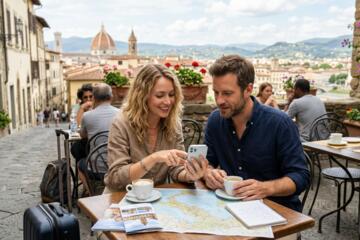
Slow travel promotes spending extended periods in one place rather than hopping quickly between destinations. Instead of a whirlwind week visiting five cities, imagine living in a village or urban neighborhood for a month or more. This mode invites intimate encounters with local customs, cuisine, and rhythms of daily life. A 2019 report by Travel Insights found that travelers staying over three weeks experienced 70% deeper cultural engagement, compared to short-stay tourists.
For example, staying six weeks in Kyoto provides a chance to attend seasonal festivals, visit neighborhood markets on repeat days, and develop familiarity with local artisans. This isn’t sightseeing on steroids; it’s absorbing life’s subtle nuances.
Slow travel also reduces travel stress, delays, and continuous transportation expenses. One study showed travelers saved over 20% on costs by cutting down frequent transit and packing fewer connections during longer stays.
Common Misconceptions and Problems
The first misconception is that slow travel means boring or uneventful. People expect activity every waking hour. Instead, it’s about quality, not quantity. The temptation to cram every famous landmark into a short window overlooks how much gets lost when you zoom through.
Another issue lies in budgeting: many assume extended trips generate overwhelming costs. Yet, slow stays often lean on vacation rentals, co-living spaces, or sublets that cost less per month. For instance, Airbnb monthly rates sometimes reduce prices by 30% or more compared to nightly bookings, making longer stays economically logical.
Some travelers fail to plan beyond the arrival, leaving themselves disoriented or lonely. Slow travel demands planning social or community activities, local language efforts, or work opportunities, which encourage integration. Neglecting this leaves many stuck in transient isolation.
Rushing through sights also dulls observation. People rarely revisit destinations on these short trips, missing slow travel’s invitation to see change over time. On my first visit to Lisbon in early 2018, I stayed two weeks and noticed seasonal produce shifts, street art evolving daily, and neighbors forming routines—which a shorter trip never reveals.
Effective Strategies for Slow Travel
Choose Suitable Locations
Pick destinations where extended stays provide variety and culture. Cities with neighborhoods, regional diversity, or outdoor access hold your interest. For example, Chiang Mai offers mountain escapes, artisan villages, and street markets within short travel distance, perfect for mixing activities. Visiting just the city center misses this depth.
Book Monthly Rentals
Look for rentals catering to longer stays with beneficial terms. Sites like Airbnb and Vrbo list monthly discounts often ranging 25–40%. Signing a lease at a local guest house or serviced apartment usually lowers nightly rates dramatically. I once secured a $1200/month studio apartment in Valencia, Spain, instead of daily rates nearing $60.
Engage Locally
Attend community events, enroll in classes like cooking or language, and stagger social interactions. Meetup.com and Facebook groups often list neighborhood gatherings or volunteer projects. Meeting locals isn’t about associations; it’s personal roots. This approach turns strangers into acquaintances swiftly.
Limit Digital Noise
Force time off social media and tour apps. Use offline maps or minimalist journaling apps like Journey version 6.5 that save memories without distractions. Less screen time means more attention to surroundings and spontaneous moments—essential for slow travel’s deeper rewards.
Cook or Shop in Local Markets
Shopping daily or weekly at local markets introduces seasonal ingredients and interactions you miss eating out. Preparing meals yourself saves money and connects you to where food originates. In Sicily, a fishmonger shared recipe tips that no guidebook hinted at.
Use Slow Transport
Instead of taxis or planes, explore on bicycles, walking, or public transit. This reveals hidden streets and landscapes. For example, renting a bike in Amsterdam over a month cost me just €50 yet unlocked countless side streets, parks, and cafes unseen from vehicles.
Work Remotely or Volunteer
Taking part-time remote work or volunteering provides structure and community. Websites like Workaway or Remote OK offer various options worldwide. Balancing work lines breaks monotony and funds stays, while embedding you among locals.
Track Experiences Thoughtfully
Keep a detailed diary or blog. Review it weekly to see your attitude or awareness shift. Quantitative tracking, like noting daily interactions or landmark visits, enhances reflection.
Real Stories of Extended Stays
A tech consultant named Mia spent three months in Granada, Spain, in 2022. Initially frustrated by limited English, she signed up for a flamenco dance class and joined a book club in Spanish, ramping up language skills. She rented an apartment at €700/month, half usual tourist hotel costs. By month three, she reported a 40% increase in cultural understanding in her journal entries and a lasting network of friends.
Another example: a startup team from Berlin experimented with a one-month co-living retreat in Lisbon to recharge creatively. They split costs across seven members, staying at a renovated apartment for roughly €300 each per week. The slower pace spurred innovative ideas and a 50% boost in team cohesiveness measured via post-retreat surveys.
Checklist for Slow Travel Success
| Step | Action | Why | Tools |
|---|---|---|---|
| 1 | Pick areas with variety | Keeps interest | Travel guides |
| 2 | Book monthly rentals | Cost reduction | Airbnb, Vrbo |
| 3 | Join local groups | Social integration | Meetup, Facebook |
| 4 | Use offline tools | Limit distractions | Journey app, maps |
| 5 | Explore markets | Cultural insight | Local guides |
Typical Errors and Fixes
Many rush entry and exit plans, underestimating settling-in time. Slowing down helps build rhythm rather than frantic catch-up. Another error is overscheduling, leaving no downtime to observe or reflect. That kills discovery.
Skipping local currency use for cards complicates negotiations or small purchases; carrying some cash eases interactions. Some book too centrally, missing quieter neighborhoods rich in character. Research transport connects to balance convenience with immersion.
Failing to learn basic phrases or local customs alienates people. Learning even 10 words of the native tongue opens doors faster than any app. Also, neglecting health or safety preparations during long stays leads to real issues. Carry a basic first aid kit and register with embassies if possible—this rarely gets flagged upfront.
FAQ
How long counts as slow travel?
Usually, stays longer than two weeks. Monthly options offer greatest depth.
Is slow travel expensive?
Not necessarily; usually cheaper per day due to discounts and fewer flights.
Can I work while slow traveling?
Yes, many combine remote work with longer trips using coworking spaces.
How to meet people during longer stays?
Attend classes, social groups, and volunteer in local communities.
What gear suits slow travel?
Travel light, pack versatile clothing and minimal tech, focusing on essentials.
Author's Insight
From living a month in Porto to several weeks in Bali, slow travel transformed how I see places. The eye picks up details missed on quick passages—street patterns, soundscapes, even how locals greet each other. It takes patience but returns in full. Cooking local dishes after market visits became my highlight, as did quiet afternoons in cafés observing daily rhythms. Practical advice: reserve time for adjustment and leave days open for spontaneity.
Summary
Slow travel reshapes journeys into experiences through longer stays layered with local connection. Choosing varied locations, booking monthly rentals, engaging socially, and limiting tech distractions deepen engagement and reduce stress. Avoid overscheduling, prepare culturally, and embrace slower transport slows down the pace but enriches life behind travel’s scenes. Try it once—the gain far outweighs the lost transit rush.